
Outdoor furniture / Repair & replacement
Rusting Outdoor Furniture: Repair It or Replace It?
The damaged component determines the next step. A finish defect may need a small treatment, a worn pad may need a spare part, and a questionable frame needs assessment before you spend on either paint or replacement.
In this article
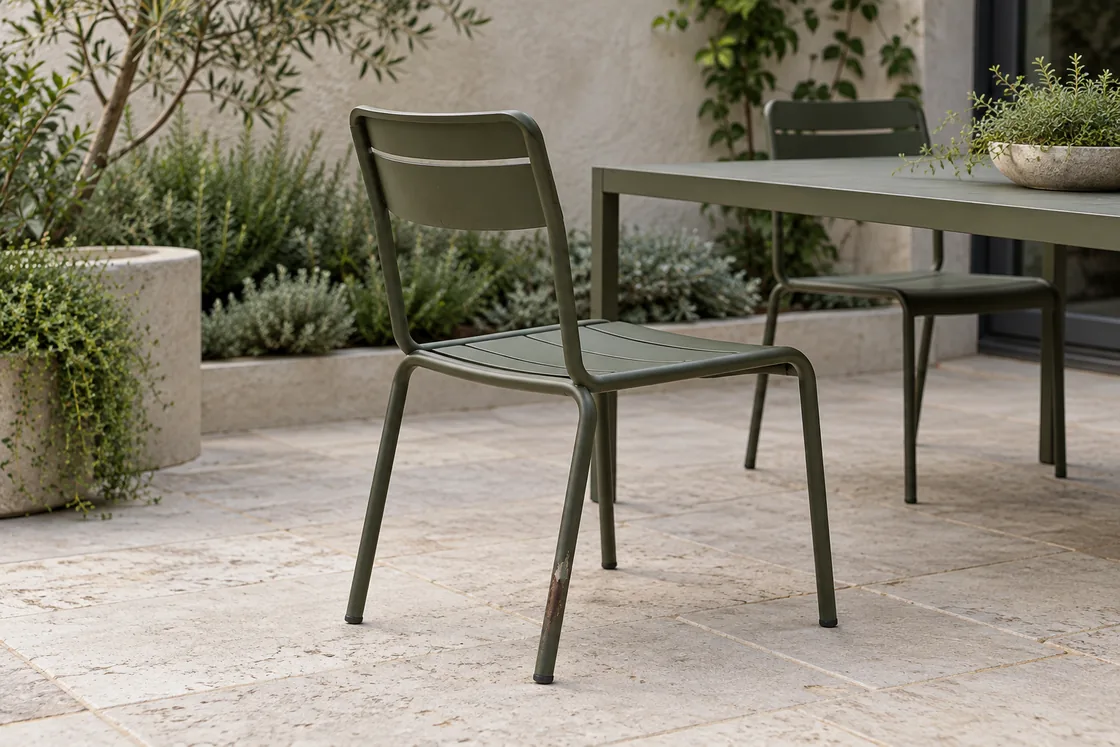
One chair starts to rust while the rest of the dining setting still works. The table fits the terrace, the seats are comfortable, and replacing everything would mean giving up furniture you still like. A repair is worth considering.
But first establish what that repair needs to achieve. Cleaning a stain, protecting exposed steel and restoring a damaged connection are different jobs. The price of a bottle or spray can tells you little until you know which job you have.
For a small, identified surface problem, keeping the furniture can be a sensible outcome. For uncertain damage to the frame, the useful first expense may be an assessment. Start with the affected part and keep the scale of the response proportionate.
01 / Before you spend
Check whether the frame needs assessment
A hole in a metal leg, a crack, crumbling metal, a loose welded connection or substantial deformation is a reason to stop using the affected piece and seek an assessment from the manufacturer or a suitable metal repair professional.
These observations are reasons to pause. They do not measure how much strength remains, and their absence does not establish that the furniture is sound. Avoid testing a doubtful chair by sitting on it or loading a questionable table to see what happens.
Ask what has failed, whether repair is feasible and what the proposed work would cover. If you are seeking a refinishing quote, establish whether the frame also needs assessment. The appearance of a finished coating cannot answer that question.
This distinction keeps the spending decision clear. A surface treatment addresses a surface problem. A damaged load-bearing component requires a judgement about the component itself before you choose a finish.
02 / Know what you have
Identify the metal and the damaged part
Find the model details and material description. Identify the frame and the affected hardware separately: a rusting fastener does not tell you what the surrounding frame is made from.
Stainless steel
For stainless steel, the Australian Stainless Steel Development Association describes tea staining as cosmetic surface discolouration. That is a useful possible explanation for brown marks, but you cannot assume every brown patch is tea staining. Confirm the material and ask for appropriate cleaning advice.
Aluminium
Aluminium also needs its own approach. Fermob's repair guidance distinguishes aluminium furniture from steel and does not prescribe its steel rust-removal treatment for aluminium. A product selected for one metal should not become the default for the entire setting.
Replacement fasteners
Be equally careful with replacement fasteners. ASSDA explains that galvanic corrosion can occur between dissimilar metals in electrical contact when a conductive liquid is present. A stainless-steel bolt is therefore an incomplete upgrade specification. Obtain the correct part and any specified isolation for the assembly.
03 / Before altering it
Give the seller a chance to resolve the problem
Photograph the damage before altering it. Gather the receipt, model information and care instructions, then contact the business that sold the furniture if it has failed unexpectedly. Explain where it has been used and what maintenance it has received.
Ask whether there is a remedy, a manufacturer-approved treatment or an available replacement component. Doing this before sanding or repainting leaves the original condition documented and may save you an unnecessary purchase.
The ACCC explains that Australian consumer guarantees apply in addition to a manufacturer's warranty. The solution depends on the nature of the problem and the circumstances. Visible corrosion alone does not establish an entitlement to a refund.
Read the relevant warranty terms too. Fermob Sydney, for example, lists exclusions for corrosion associated with wear and scratches, and for corrosion of steel furniture used in a coastal environment. A headline warranty duration gives an incomplete picture. Those voluntary terms are a separate question from statutory consumer rights.
For parts, the ACCC says manufacturers or importers must generally provide repair facilities and spare parts for a reasonable time after purchase. There is an exception where the buyer was told at purchase that these would cease after a specified time. There is no universal number of years to apply to every outdoor chair.
04 / A limited surface problem
When a surface treatment is worth considering
Once the material and extent of the problem are established, check the manufacturer's repair route. A small finish defect on otherwise usable furniture can justify a local treatment, particularly when retaining the existing piece preserves a well-matched setting.
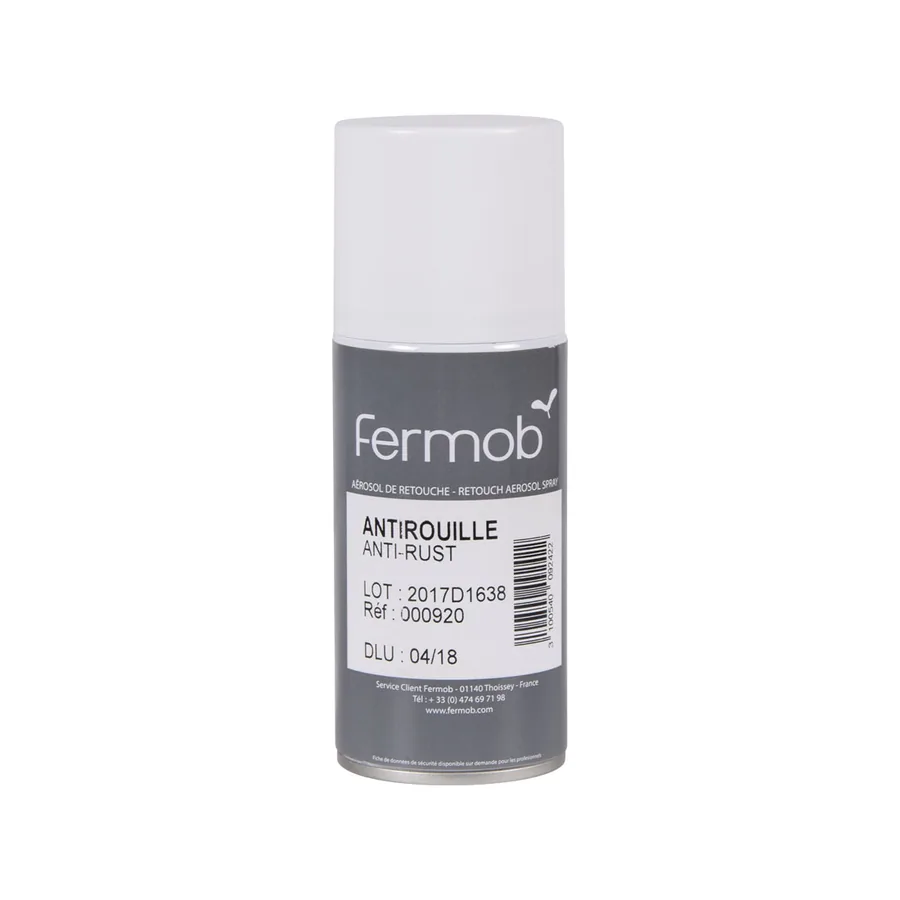
Fermob's guidance describes anti-rust treatment followed by colour-matched touch-up for minor corrosion on its steel furniture. It also recommends professional painting for larger areas where a high-quality result matters. This is a specific maintenance route for the brand's furniture, rather than evidence that any rusty chair can be restored the same way.
Decide what finish you will accept. A colour-matched repair may still show against an aged surface. A small visible patch might be acceptable on a familiar terrace chair, while a prominent dining table could warrant a different level of work.
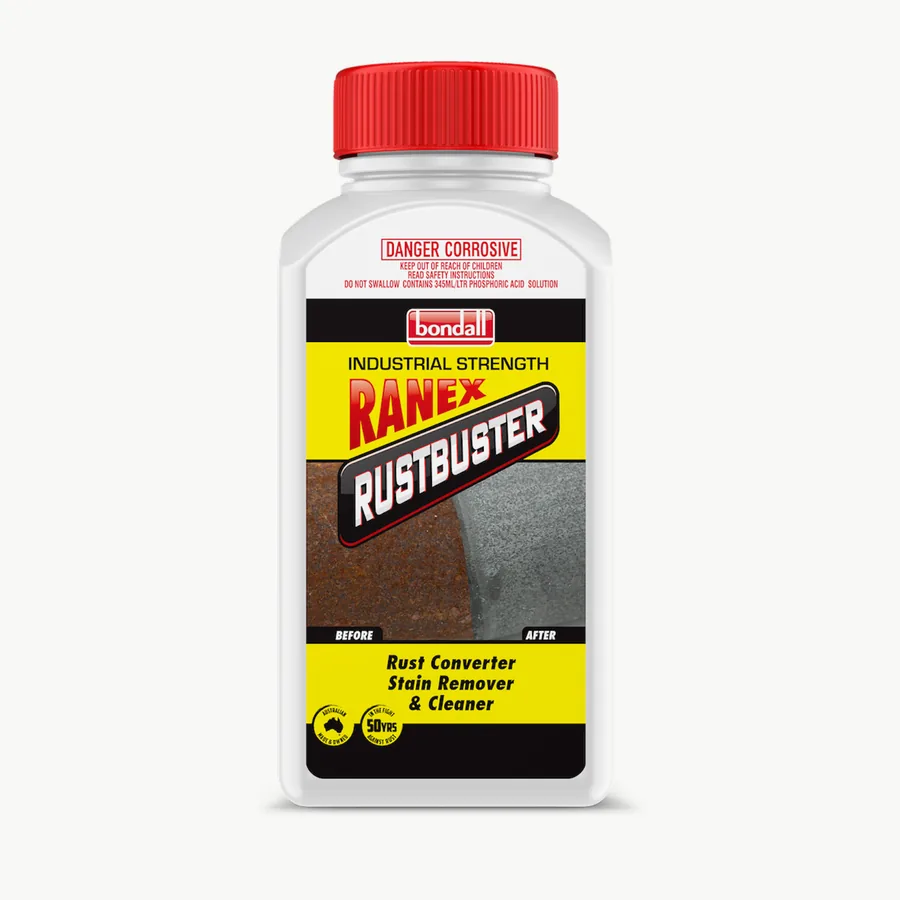
Bondall Ranex Rustbuster illustrates another limit: the manufacturer warns that treated surfaces left uncoated can rust again. It also identifies surfaces the product should not contact. Treatment selection needs to account for the surrounding materials and the protection that follows.
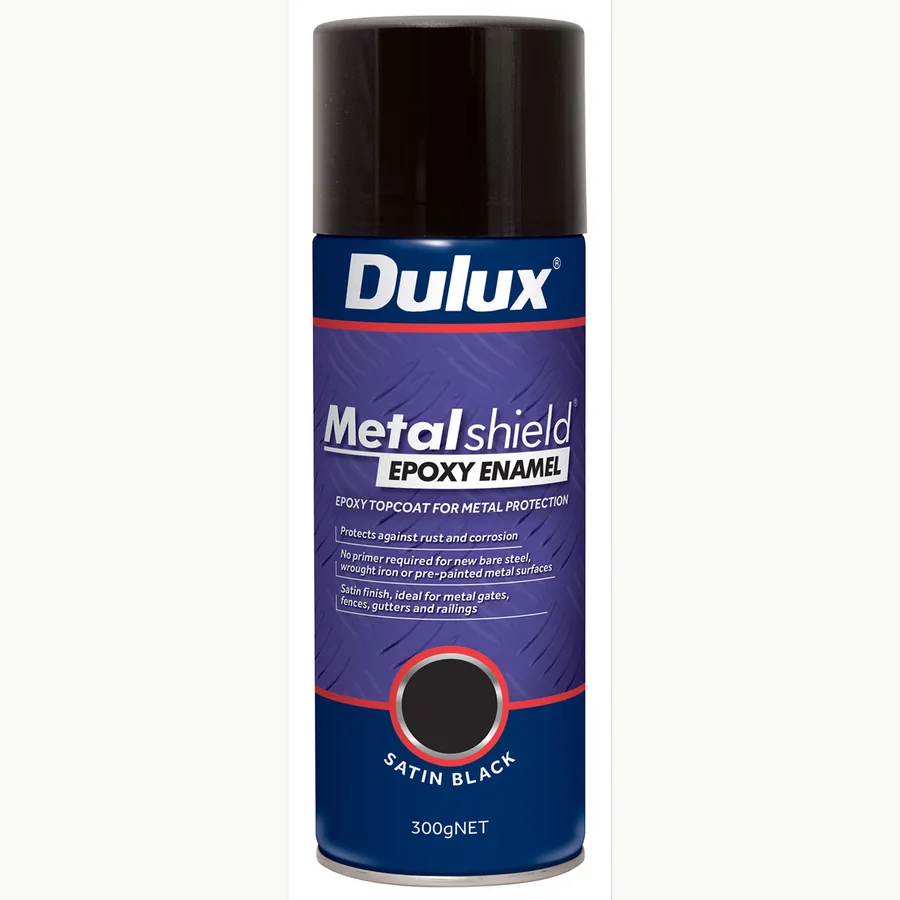
Preparation matters just as much as the topcoat. Dulux's instructions for liquid Metalshield Epoxy Enamel distinguish sound previously painted surfaces from aged or lightly rusted surfaces, which require preparation and a specified primer. These are instructions for the liquid product. Check the exact aerosol separately.
The brand's Etch Primer Spray instructions also prohibit application over existing painted surfaces. Confirm a compatible system for the actual substrate and condition, using current manufacturer instructions, labels and safety information. The examples below are separate options to investigate, with different purposes and requirements.
05 / The smallest intervention
Check the smallest replaceable component
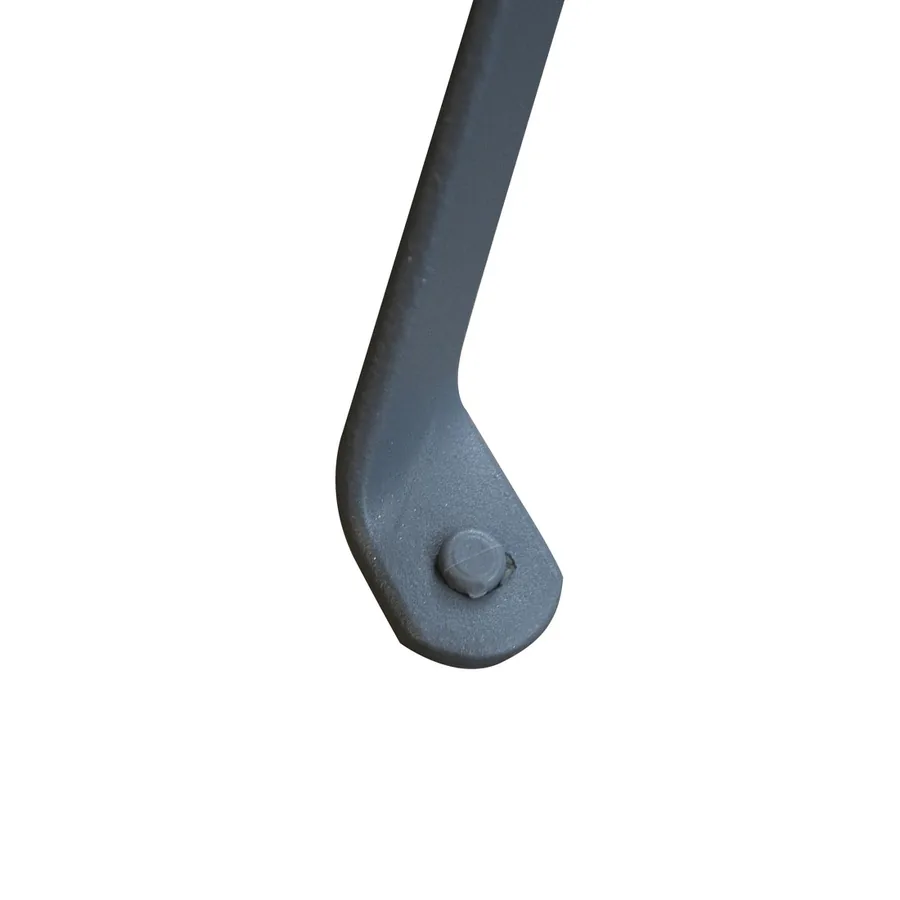
A worn floor-contact pad may be a parts order. Fermob Sydney lists a Bistro Feet Set, but that does not make it a repair for a corroded metal leg. Confirm the model generation, pack contents and fit before ordering.
For hardware, ask for the part number and confirm the size, thread, material and any assembly requirements. Check the delivery date as well. A technically suitable part that will arrive months later may change the practical decision.
Extend the same thinking to the whole setting. If one chair has failed, compare the options for that chair before pricing a complete replacement set. Seat height, comfort, colour and the way it fits beside the remaining pieces all matter.
06 / Reference prices, not project costs
Compare the full repair with a suitable replacement
Individual product prices make useful reference points, provided you keep them separate from project costs.
| Example available in Australia | Observed price | What to establish before buying |
|---|---|---|
| Bondall Ranex Rustbuster, 250ml | A$17.98 | Suitability for the affected surface and the subsequent protection required. |
| Dulux Metalshield Epoxy Enamel Spray Paint, Satin Black, 300g | A$16.90 | The exact aerosol's preparation and substrate requirements. |
| Dulux Metalshield Epoxy Enamel, Satin Black, 1L | A$52.90 | The liquid product's preparation, primer and quantity requirements. |
| Dulux Metalshield Etch Primer Spraypak, Light Grey, 300g | A$17.90 | Whether this primer belongs in the specified system. It cannot be applied over existing paint. |
| Fermob Anti Rust Spray with touch-up pen or colour spray | A$80 with pen /A$90 with spray | Applicability to the furniture, colour and finish, and delivery timing. |
| Fermob Bistro Feet Set | A$30 | Model compatibility and what the set contains. |
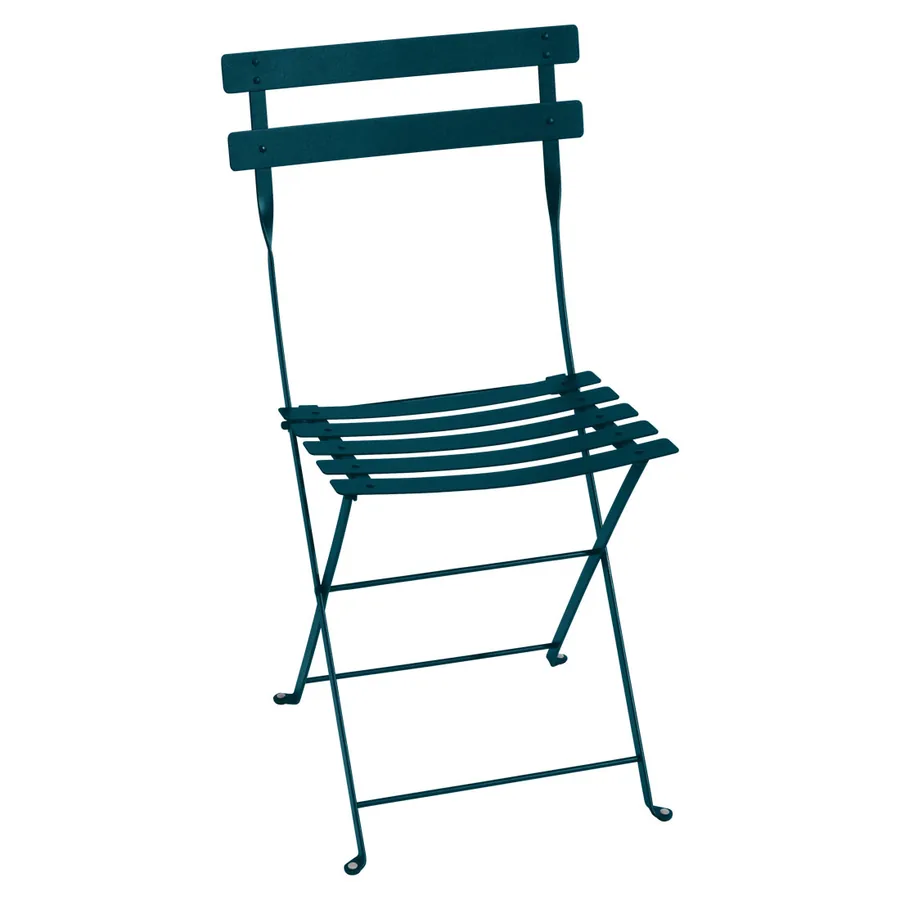
| Fermob Bistro Metal Chair | A$190 | Fit with the existing setting, suitability for the location and availability. |
Prices checked on 3 October 2026. Confirm current prices, variants, local availability and freight before ordering. The products listed do not form a combined repair kit.
For your comparison, add up the required materials and quantities, spare parts, paid labour, transport and the time you expect to spend. A professional quote should specify preparation, any dismantling and reassembly, the finish and the condition of the frame it assumes.
Price a replacement that actually works with the remaining furniture, including delivery and any necessary accessories. Account for disposal costs if they apply. The original purchase price is less useful than the options available to you now.
There is no reliable percentage rule here. A higher repair bill can still be acceptable when it preserves a comfortable, hard-to-match piece. A cheap touch-up is poor value if it leaves the actual failure unresolved.
07 / The setting matters
Address the conditions before spending again
Review where the damage occurred. Salt exposure, damp deposits, friction and damaged coatings can all be relevant. Ask what care or placement the manufacturer recommends for the identified problem.
When considering replacement, check the complete construction and the model's location limits. An aluminium frame alone does not identify every fastener, establish coastal suitability or explain the warranty. Look for answers specific to the piece you plan to buy.
08 / The practical decision
Then choose the next action:
Treat the surface
when the problem is limited, the furniture remains suitable for use and the treatment is approved for its material and finish.
Order the exact part
when replacing that component addresses the problem.
Get an assessment
when the frame, connection or extent of damage is uncertain.
Compare replacement
when the necessary repair is impractical or the result would not meet your needs.
Spend only after you know which part has failed and what a satisfactory result requires.